Role of AI in Biotechnology: Uses, Impact & Future
Published: 10 Aug 2026
How can a computer understand something as complex as DNA, proteins, or living cells? It may sound strange at first, but computers can study huge sets of biological data in ways that are hard to do by hand. Today, researchers use AI to help find drug targets, study genes, and support new drug design. Recent 2026 research shows growing use of AI with genomics and drug discovery. The role of AI in biotechnology is not about replacing scientists. It is about helping them study complex biological problems with better speed and support.
What is biotechnology?
Have you ever wondered how scientists make vaccines, improve crops, or create medicines? Biotechnology is the use of living things to make useful products or solve real-world problems. It works with plants, animals, cells, bacteria, and genes. In simple terms, it is a way of using biology to make life better.
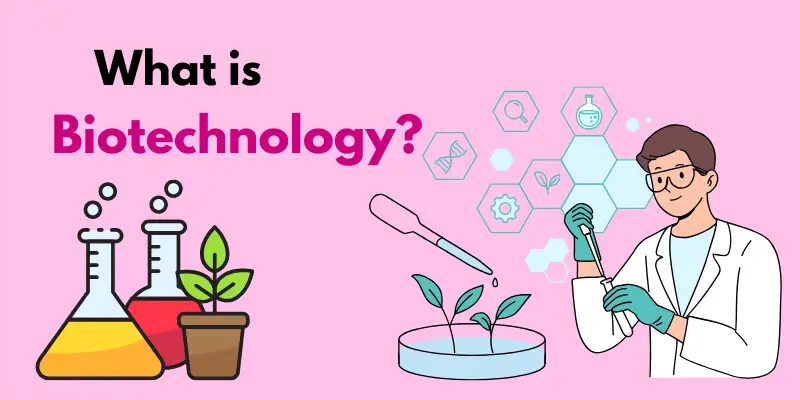
You can think of biotechnology as a bridge between nature and science. Scientists study how living things work and find practical ways to use that knowledge. For example, they can use bacteria to make medicines or study plant cells to grow stronger crops. This makes biotechnology useful in healthcare, farming, food, and many other areas.
What Is the Role of AI in Biotechnology?
The role of AI in biotechnology means using computer systems to help scientists understand biological information. These systems can study DNA, proteins, cells, and other data much faster than a person can check everything by hand. For example, a researcher can use AI to look at thousands of DNA sequences and find patterns that may be difficult to notice. The researcher can then take a closer look at those findings.
AI does not take the place of a scientist. It works more like an extra pair of hands that can handle large amounts of information and point out useful findings. The scientist still checks the results, makes decisions, and decides what to study next.
- AI can check thousands of DNA sequences and find patterns.
- Scientists can review these findings and see if they make sense.
- Researchers make the final decisions about what to test or study.
- AI can handle repeated data work and give scientists more time to focus on research.
How AI Is Used in Biotechnology
You might be wondering what all of this looks like in real research. The answer is quite simple: researchers use AI in many different ways, depending on the problem they are trying to solve. A scientist studying a new medicine needs different tools from someone studying crops or tiny changes inside a cell. That is why the uses of AI in biotechnology cover a wide range of work. From finding possible medicines to studying plant genes, each use helps researchers handle a specific part of their work.
- Drug Discovery and Development
- Protein Structure and Protein Design
- Genomics and DNA Analysis
- Bioinformatics and Biological Data Analysis
- Precision Medicine
- Synthetic Biology
- Cell and Molecular Research
- Biotechnology Lab Automation
- Industrial Biotechnology
- Agricultural Biotechnology
- Environmental Biotechnology
1. Drug Discovery and Development
Finding a new medicine takes years of testing and research. Computer tools can help researchers narrow down thousands of possible drug candidates and focus on the ones worth testing first. Recent work also shows growing interest in computer-based drug design and new ways to predict how medicines may interact with their targets.
- Researchers can screen many possible drug molecules before lab testing.
- Computer models can help spot promising drug targets earlier.
- New drug-design tools can study how a molecule may fit with its target.
2. Protein Structure and Protein Design
Proteins do many jobs inside living things, but their shapes can be very hard to study. Modern computer methods can predict protein structures and help researchers explore new protein designs. This work now reaches areas such as medicines, sensors, and industrial products.
- Researchers can study protein shapes without starting every test from scratch.
- New protein designs can help create sensors that detect specific substances.
- Scientists can explore protein changes that may give a useful new function.
3. Genomics and DNA Analysis
Genomics means studying a person’s or organism’s complete set of DNA. Computer tools can compare large DNA datasets and help researchers find patterns linked to genes, traits, or diseases. This gives scientists a clearer way to study how changes in DNA may affect the body.
- Researchers can compare DNA from many people to find disease-related patterns.
- Small DNA changes can help researchers study why people respond differently to some diseases.
- DNA analysis can also help scientists study how genes work together.
4. Bioinformatics and Biological Data Analysis
Bioinformatics sounds complex, but the basic idea is simple. It means using computers to organize and study biological data. This becomes very useful when a study produces more information than a person can reasonably check by hand.
- Researchers can bring gene, protein, and cell data together for one study.
- Computer searches can reveal links that may take much longer to find by hand.
- Better data handling helps researchers spend more time on experiments and less time sorting files.
5. Precision Medicine
People do not always respond to the same treatment in the same way. Precision medicine looks at a person’s own health and biological information to support more suitable care. Computer tools can help researchers study these differences and find patterns linked to disease risk or treatment response.
- Researchers can compare patient data to look for signs linked to treatment response.
- Genetic information can help explain why one medicine may work better for one person.
- These tools can support doctors and researchers when they study more personalized treatments.
6. Synthetic Biology
Synthetic biology involves designing or changing biological systems for a useful purpose. Computer tools can help researchers plan these designs before they build and test them in the lab. This can make the design, test, and learning process more focused.
- Researchers can test a biological design on a computer before making it in the lab.
- Computer predictions can help select promising enzymes for further testing.
- Scientists can repeat the design and testing process with new results from each experiment.
7. Cell and Molecular Research
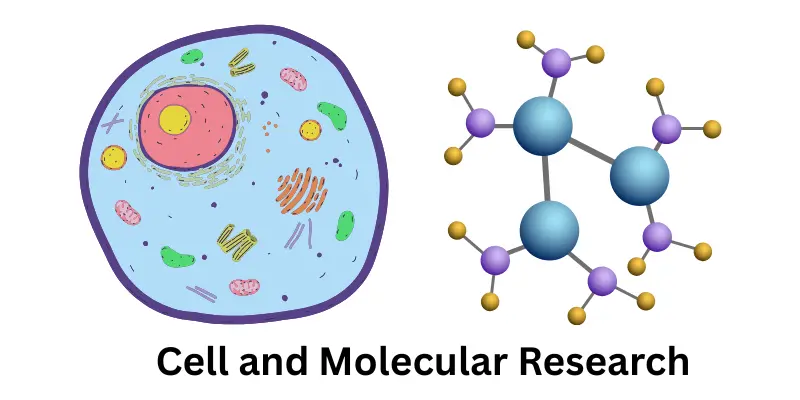
Cells can change in many ways during disease or treatment. Researchers often study cell images and molecular activity to understand these changes. Computer tools can help sort images, compare cell features, and point researchers toward changes that deserve a closer look.
- Computer image analysis can help researchers spot small changes in cell shape.
- Scientists can compare healthy and diseased cells across large image sets.
- Molecular studies can help researchers connect cell changes with disease processes.
8. Biotechnology Lab Automation
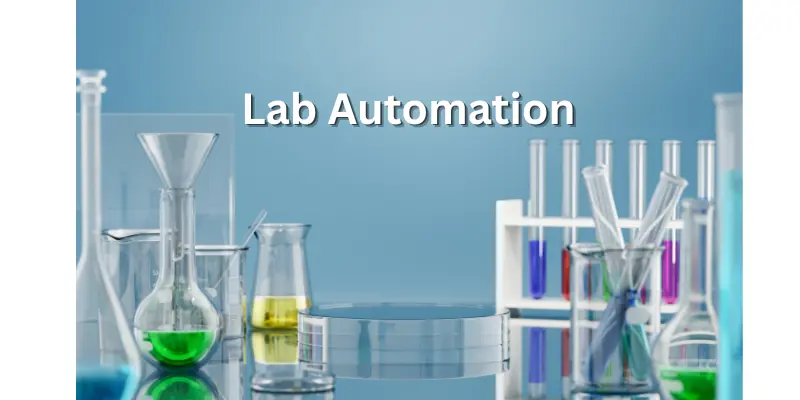
Lab work often includes repeated steps such as moving samples, mixing liquids, and recording results. Robots can handle many of these tasks while computer systems help plan experiments and study the results. A self-driving lab takes this idea further by linking planning, robots, testing, and learning into one loop. Recent 2026 research shows that these labs can now run some experiments with very little human input, while researchers still guide and check the work.
- A robot can repeat the same lab task many times with steady timing.
- Some systems can choose the next experiment based on earlier results.
- Researchers still need to set goals, check results, and keep experiments safe.
9. Industrial Biotechnology
Industrial biotechnology uses living systems to make useful products at a larger scale. This includes enzymes, food ingredients, chemicals, and new materials. Computer tools can help researchers find better enzymes and study production steps before they move to larger systems.
- Better enzymes can help make industrial processes work at lower temperatures.
- Fermentation data can help researchers spot changes that affect production.
- Researchers can explore bio-based materials as alternatives to some petroleum-based products.
10. Agricultural Biotechnology
Plants carry useful traits in their genes, such as resistance to disease or the ability to handle dry conditions. Researchers can study plant DNA along with data about crops and growing conditions. Recent research is exploring how computer-based analysis can connect genetic and plant-trait data to support more resilient crops.
- Researchers can compare plant genes linked with stronger disease resistance.
- Crop data can help scientists study how plants respond to heat, drought, or poor soil.
- DNA research can help breeders find useful plant traits sooner.
11. Environmental Biotechnology
Environmental biotechnology uses living organisms to deal with problems such as waste and pollution. Microorganisms can break down or change harmful substances, but finding the right biological process can take time. Computer tools can help researchers study these organisms and choose promising methods for further testing.
- Researchers can study microbes that break down certain pollutants.
- Biological treatment methods can help reduce some types of industrial waste.
- Computer analysis can help compare different microbes and treatment conditions.
Key Benefits of AI in Biotechnology
When you look at the role of AI in biotechnology, one thing stands out: it can make difficult research work easier to manage. Scientists often deal with huge amounts of data and many rounds of testing. Computer tools can help them sort information, compare options, and plan their next steps with less manual work. The real value comes from giving researchers more time to focus on the science, not just the workload.
- Faster Research
- Better Data Analysis
- Accurate Predictions
- Lower Research Costs
- Faster Drug Development
- Better Experiment Planning
- Lab Automation
- Personalized Medicine
- Biological Product Design
1. Faster Research
Research can take a long time when scientists have to check every option one by one. Computer tools can help narrow the list and show which ideas deserve more attention.
- Researchers can check many possible compounds before lab testing.
- Early screening can remove weak options from the list.
- Scientists can spend more time testing the most promising ideas.
2. Better Data Analysis
Biotechnology studies can create more data than a person can comfortably review. Computer tools can sort this information and help researchers see connections across different sources.
- One DNA study can contain millions of individual data points.
- Researchers can compare data from several experiments in one place.
- Small links between genes, proteins, and cells can become easier to spot.
3. Accurate Predictions
Researchers often need an idea of what may happen before they spend time and money on a physical test. Computer models can study earlier results and give them useful estimates.
- Scientists can estimate how a molecule may interact with a protein.
- Prediction tools can help rank possible results before testing.
- Researchers still confirm predictions through real lab experiments.
4. Lower Research Costs
Lab research needs samples, chemicals, equipment, and many hours of skilled work. Better early decisions can help teams avoid spending these resources on ideas that show little promise.
- Researchers can remove some weak candidates before costly lab tests.
- Fewer repeated tests can reduce the use of lab materials.
- Teams can put more resources into experiments that matter most.
5. Faster Drug Development
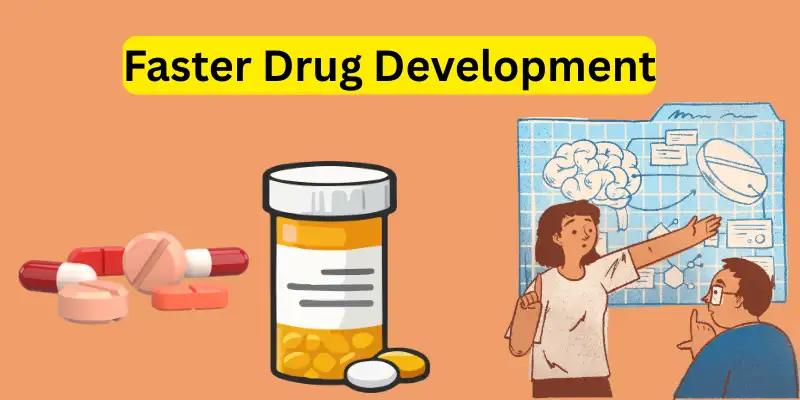
Creating a new medicine takes many steps, and early research can take a lot of time. The role of AI in biotechnology can help researchers handle some of these early steps more quickly.
- Scientists can screen large groups of possible drug compounds.
- Early checks can reveal some problems before physical testing.
- Researchers can reach promising candidates sooner.
6. Better Experiment Planning
Good planning can save a research team from running tests that add little value. Computer tools can help researchers compare different test setups before they start working in the lab.
- Researchers can compare several test conditions before using real samples.
- Earlier results can guide the design of the next experiment.
- Better planning can reduce unnecessary repeat tests.
7. Lab Automation
Some laboratory tasks involve the same movements again and again. Machines and robots can handle these routine jobs while researchers focus on the parts that need human judgment.
- Robots can move tiny amounts of liquid with steady accuracy.
- Automated systems can record measurements during an experiment.
- Some self-driving labs can use test results to plan the next experiment.
8. Personalized Medicine
People can react differently to the same disease or treatment. Researchers can study personal biological information to understand these differences more clearly.
- Genetic differences can help explain why treatments work differently across people.
- Researchers can compare patient data to find similar biological patterns.
- This work can support the search for treatments that better fit individual needs.
9. Biological Product Design
Biotechnology can create useful products from proteins, enzymes, cells, and other biological materials. New computer-based methods give researchers more ways to explore these designs before they build and test them.
- Scientists can explore proteins designed for a specific job.
- New enzymes may help make food ingredients and industrial products.
- Researchers can explore biological materials that could replace some traditional materials.
Challenges of AI in Biotechnology
The role of AI in biotechnology sounds exciting, but it also comes with some real problems. Working with living systems is not as simple as working with numbers on a screen. A small data mistake, a weak prediction, or a privacy issue can affect the whole project. These challenges show why careful testing and good judgment still matter in biotechnology.
- Errors & Mistakes
- Data Privacy
- Wrong Results
- Hard to Explain
- High Costs
- Skill Gap
- Lab Testing
- Ethics and Safety
1. Errors & Mistakes
Computer tools learn from the information they receive. If that information has gaps or mistakes, the final result can also go off track.
- A DNA database may miss certain groups of people or rare genetic changes.
- Different labs may record the same biological result in different ways.
- More data does not always mean better data.
2. Data Privacy
DNA and health records are not ordinary files. They can reveal personal details about a person and even provide clues about their family.
- A DNA sample can contain information that stays useful for many years.
- Sharing genetic data can also affect relatives who never gave a sample.
- A small privacy mistake can create a problem that cannot easily be undone.
3. Wrong Results
A computer can sometimes give an answer that looks right but has no real value. This becomes risky when people treat a prediction as a proven fact.
- A model may perform well on common cases but struggle with rare ones.
- A promising drug candidate can still fail when it reaches a real biological test.
- One incorrect result can send weeks of work in the wrong direction.
4. Hard to Understand
Some computer systems can produce a result without giving a simple reason for it. This can make the result harder to trust, especially in serious medical research.
- Two similar biological cases may receive different predictions.
- Scientists may struggle to find the exact factor behind a result.
- A clear explanation can make it easier to spot a hidden mistake.
5. High Costs
Good computer systems can cost a lot to build and run. The price does not stop at buying a computer because storage, software, and technical skills also add to the bill.
- Large biological datasets can take up huge amounts of storage.
- Powerful computers can use a lot of electricity during heavy work.
- Small labs may not have the same computing budget as large research centers.
6. Skill Gap
Biotechnology and computer science use very different skills. One person may understand DNA deeply but know little about computer models, while another may have the opposite skill set.
- Teams often need people from biology, medicine, computing, and statistics.
- Training can take time when a project crosses several fields.
- Good communication matters when experts from different fields work together.
7. Lab Testing
A result on a computer is still only a result on a computer. Living cells can behave in ways that a model does not fully capture.
- A molecule may look promising on a screen but behave differently in a cell.
- Lab conditions can change how a biological process works.
- Real testing can uncover problems that never appeared in the computer results.
8. Ethics and Safety
Biotechnology deals with living systems, so mistakes can have real effects. New tools also raise questions about what people should create, change, or share.
- Changing a biological system can produce effects that last longer than expected.
- Some research results may need extra safety checks before public use.
- Clear rules can help keep useful biological research on a safe path.
AI in Biotechnology vs Traditional Biotechnology
| Area | Traditional Approach | AI-Supported Approach |
| Data analysis | Scientists sort, compare, and review large amounts of biological data. | Computer tools can scan the data and bring useful patterns to the surface. |
| Drug discovery | Teams may spend a lot of time checking different drug candidates. | Computer screening can help remove less promising options earlier. |
| Protein research | Scientists often depend on lab work to learn about protein shape and function. | Computer models can give an early view of protein shapes and possible designs. |
| Genomics | DNA studies can involve millions of genetic details to compare. | Computer tools can compare large DNA datasets and flag unusual changes or patterns. |
| Experiment planning | Scientists plan each test from earlier results, research papers, and their own experience. | Computer analysis can compare past results and help point to useful test conditions. |
| Lab work | People handle many repeated steps, such as moving samples and recording readings. | Robots can take over some routine steps and record results during the experiment. |
Future of AI in Biotechnology
What if a scientist could explore hundreds of research ideas before choosing just a few for the lab? That is the kind of change we may see as the role of AI in biotechnology grows. Future tools may help scientists explore new medicines, study rare genetic conditions, design useful proteins, and find better ways to make biological products. The goal will not simply be to do the same work faster. It will be to explore ideas that were once too difficult, costly, or time-consuming to test.
For someone new to biotechnology, this future may sound far away, but the field is already moving in that direction. Computers are becoming more involved in planning research, studying biological systems, and working with lab equipment. Human knowledge will still guide the work, but these new tools may help scientists ask better questions and explore more possibilities.
Final Thoughts
We have covered the role of AI in biotechnology and looked at both its promise and its limits. It can help scientists study complex biological information, plan research, and explore new ideas, but it can also bring mistakes, privacy concerns, and safety risks. I recommend keeping an open mind while staying careful about new claims. Read recent research, follow trusted science sources, and keep building your knowledge as the field changes. If you want to see what comes next, explore more guides on how new technology is shaping the world around us.
FAQs
AI in biotechnology means using computer-based methods to study biological information and support scientific work. It can help with tasks such as studying DNA, finding drug candidates, and examining proteins. Scientists still check the results and make the final decisions.
AI biotechnology can help scientists work with large amounts of biological information. It can find useful patterns, compare different results, and help teams decide which ideas deserve more testing. This can make some parts of research easier to manage.
Biotechnology AI can help scientists study possible drug targets and screen many drug candidates. It can also give an early idea of how certain molecules may behave. Researchers then test promising options in the laboratory.
Machine learning biotechnology uses computer systems that learn from existing biological data. For example, a system can study past results and use them to make predictions about new biological samples. Scientists can use these predictions to guide further research.
The main AI biotechnology applications include drug discovery, DNA research, protein studies, personalized medicine, and lab automation. Different tools can help with different parts of these fields. The value depends on the quality of the data and the research goal.
The role of AI in biotechnology includes helping researchers study diseases, medicines, genes, and patient data. It can support the search for better treatments and help scientists understand why people may respond differently to the same medicine. It does not replace medical testing or expert judgment.
The role of artificial intelligence in biotechnology has grown in protein research because computers can help study complex protein shapes and designs. This can give scientists useful starting points before they carry out lab tests. Protein research can support medicines, food products, and industrial processes.
Machine learning in biotechnology can help researchers study patterns linked to protein shape, function, and activity. A computer can learn from known protein examples and help researchers explore new possibilities. Scientists still need experiments to confirm whether a new protein works as expected.
AI in agricultural biotechnology can help researchers study plant genes, crop traits, disease patterns, and growing conditions. This can support work on crops that handle diseases, heat, or dry conditions better. Farmers and plant scientists still need field testing before they can trust a new crop trait.
AI in industrial biotechnology can help researchers study enzymes, fermentation, and bio-based products. At the same time, AI in pharmaceutical research can support drug discovery and the study of possible treatments. Both areas show how computer tools can support different parts of biotechnology research.





- Be Respectful
- Stay Relevant
- Stay Positive
- True Feedback
- Encourage Discussion
- Avoid Spamming
- No Fake News
- Don't Copy-Paste
- No Personal Attacks
- Be Respectful
- Stay Relevant
- Stay Positive
- True Feedback
- Encourage Discussion
- Avoid Spamming
- No Fake News
- Don't Copy-Paste
- No Personal Attacks
