Role of AI in Education: What Every Student Must Know
Published: 2 Aug 2026
Many students and teachers feel confused when they hear about new technology in learning. Some worry it might make studying harder or even affect the role of teachers. Others are unsure how these tools fit into everyday classroom use. This is natural, as education is changing at a fast pace.
If you’re feeling this way, you’re not alone. This guide explains everything in a clear and simple manner. Technology is already shaping how learning happens in many schools today. In fact, a large number of schools now use digital tools to support students. Let’s explore what’s changing and why it matters for the future of education.
Role of AI in Education
The role of artificial intelligence in education is changing how students learn and how teachers guide them. Many learning tools adjust lessons based on how quickly or slowly a student understands a topic. This allows students to learn at a comfortable pace without feeling rushed or left behind.
These tools can also notice when a student starts struggling. By checking progress and results, they point out areas where extra practice is needed. This helps teachers step in early and support students before small problems turn into bigger ones.
Over time, this makes learning more clear and better suited to each student. It also helps teachers focus on guiding students instead of guessing where help is needed.
Have you ever wondered how learning can feel more personal and easier to follow? This is one reason many schools now pay attention to the role of AI in education.
How AI Helps Students Learn Better
AI tools help students learn at their own pace. They can give extra practice, show which topics need more attention, and give feedback right away. This support makes studying less stressful and more focused. A student practicing math can use a learning app that highlights mistakes and suggests exercises to improve.
AI helps students in many ways. Here are some common ways students get support:
- Personalized learning
- Instant Feedback
- Study Support Outside the Classroom
1. Personalized Learning
Let’s look at how learning can adjust to each student’s pace. Not everyone understands topics at the same speed, and that’s completely normal. Some students need more practice, while others move ahead quickly. These tools make it easier to learn without pressure.
- Lessons match your speed, so you don’t feel rushed or held back.
- Extra practice is given for topics that feel difficult.
- You can revisit lessons anytime to understand them better.
- Your progress is recorded, so you can see your improvement over time.
Example: If fractions feel confusing, the app gives more practice on that topic until you feel confident.
2. Instant Feedback
Here’s how immediate responses can make learning smoother. Instead of waiting for results, you can see your mistakes right away. This helps you fix errors early and understand where you need to improve.
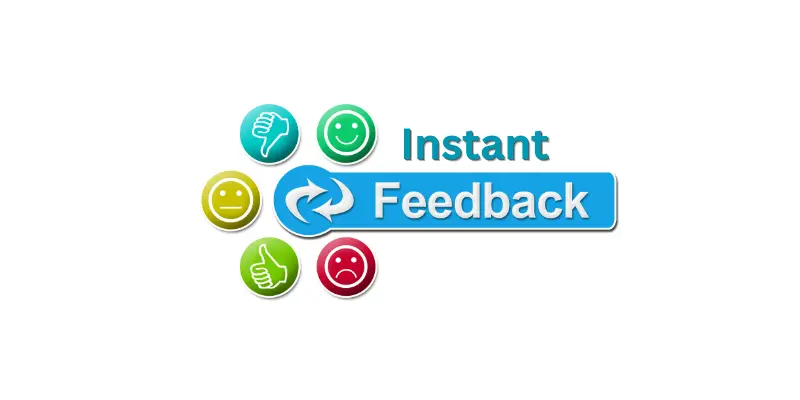
- Answers are checked instantly, so you know what’s right or wrong.
- Mistakes are pointed out clearly for better understanding.
- Extra questions are given to help you practice weak areas.
Example: If you spell a word incorrectly, the app highlights it and suggests similar words to try again.
3. Motivation and Engagement
This helps students stay interested and enjoy the learning process. When lessons feel interactive, it becomes easier to stay focused. Small rewards and activities can make studying feel less boring.
- Points or badges make progress feel rewarding.
- Quizzes and short challenges keep lessons active.
- Interactive tasks make learning more enjoyable.
Next, let’s see how these tools also make a teacher’s job easier and improve lessons for everyone.
How AI Supports Teachers
Teachers often have a lot to manage every day. From grading papers to planning lessons and tracking student progress, it can take a lot of time. Some tools now help handle these routine tasks, so teachers can focus more on teaching and guiding students. In simple terms, these tools reduce extra workload and give teachers more time to support students directly.
Here’s how teachers get support in different ways:
- Tracking Student Progress
- Reducing Repetitive Tasks
- Improving Lesson Planning
1. Tracking Student Progress
Have you ever wondered how teachers know which topics students find difficult? With simple tools, they can see where students struggle and where they improve. Some platforms even show class performance in an easy format.
The truth is, more schools are slowly starting to use these methods to understand student needs better. The best classrooms are still the ones where teachers notice each student and guide them step by step. This is what really makes lessons effective.
Example: In a math class, students take small weekly tests instead of one big exam. The teacher records scores to see who is improving and who needs more practice. This helps focus on weak areas before final exams.
2. Reducing Repetitive Tasks
Teachers do more than just teach. Tasks like checking homework, marking quizzes, and organizing records can take up a big part of their time. When these tasks are handled in a simpler way, teachers can spend more time explaining concepts and helping students.
This allows them to give better attention to students who need extra support.
Example: A teacher had to check many notebooks every week. She started using simple answer sheets where students marked correct responses. This saved time and allowed her to focus on difficult questions in class.
3. Improved Lesson Planning
Planning lessons for a whole class is not always easy. Some tools help teachers understand what students need to practice more. This makes it easier to prepare lessons that match the class level. Teachers can spend less time guessing and more time explaining. It also helps them make lessons more interesting by focusing on areas where students face difficulty.
Example: In an English class, students found long passages hard to understand. The teacher started with shorter texts and added small discussions. This made lessons easier to follow, and students felt more confident.
Advantages of AI in Education
Technology is changing education in many ways, and artificial intelligence plays an important role in this shift. The role of AI in education is to make learning more flexible, accessible, and better suited to individual needs. It helps both students and teachers manage learning in a more simple and effective way.
Here are some major advantages of AI in education:
- Better Access to Learning Resources
- More Flexible Learning Pace
- Developing Skills for Future Careers
- Language Support for Global Learning
- Data-Based Teaching Decisions
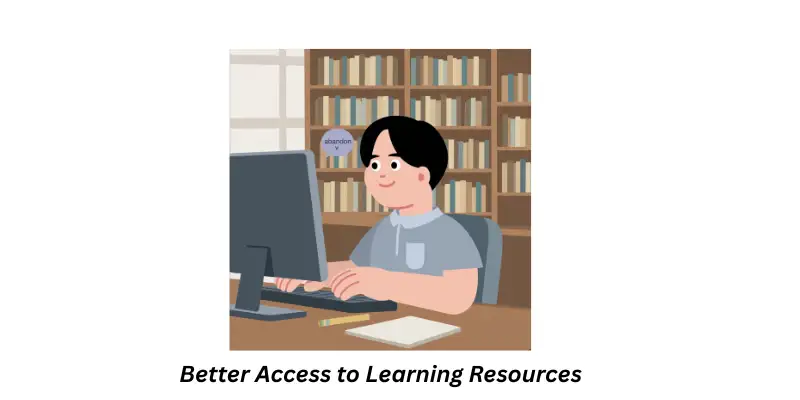
1. Better Access to Learning Resources
Learning material is now easier to reach than before. Digital platforms bring books, videos, and practice exercises together in one place. This makes it simple to find help when a topic feels difficult.
Key Advantages:
- Learners get access to different study materials in one place.
- It becomes easier to revise lessons anytime.
- This helps in finding quick explanations without searching too much.
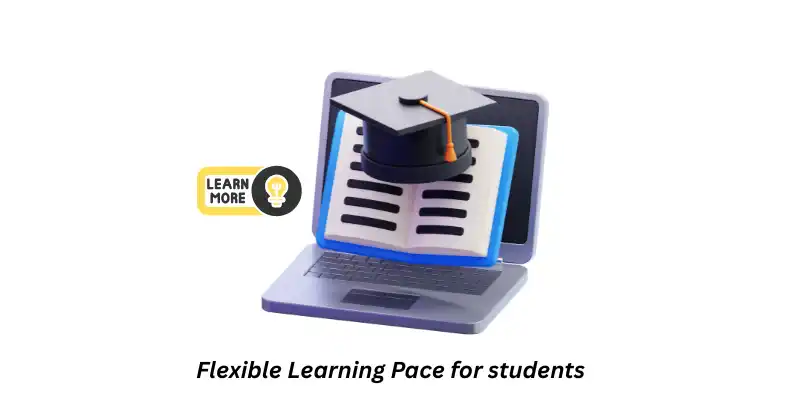
2. More Flexible Learning Pace
Every student learns in a different way and at a different speed. Some understand quickly, while others need more time to practice. Learning tools allow students to go back and review topics whenever needed.
Key Advantages:
- It allows learners to study without feeling rushed.
- This helps in understanding topics step-by-step.
- Lessons can be repeated until concepts become clear.
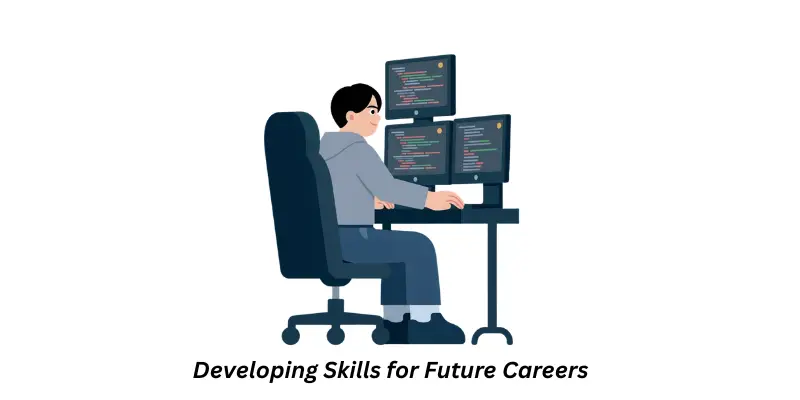
3. Developing skills for future careers
Today, almost 7 out of 10 students say they want to learn skills that will help them in jobs later. Using digital tools in classrooms gives students early practice with problem-solving, organization, and using online resources.
Key Advantages:
- Students learn skills they can actually use in real life.
- Group work and projects become easier to handle.
- Students feel more confident trying new things.
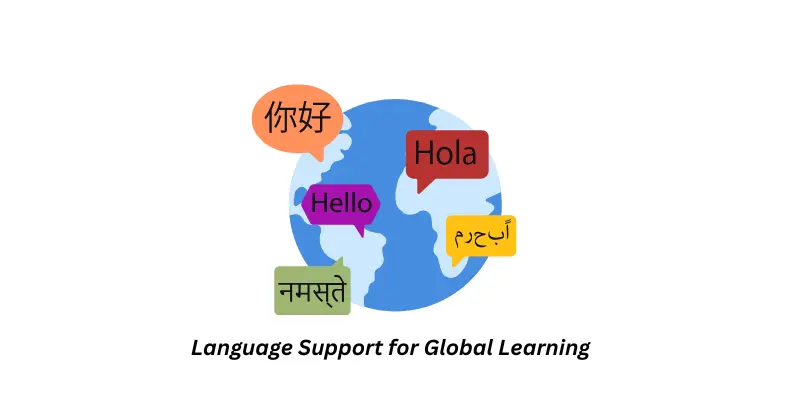
4. Language Support for Global Learning
Many students study material written in different languages. Digital tools can help translate difficult words or sentences. This makes learning easier for students who study international courses or foreign material.
Key Advantages:
- Difficult words can be translated quickly.
- Students can understand global learning content.
- Language barriers become smaller.
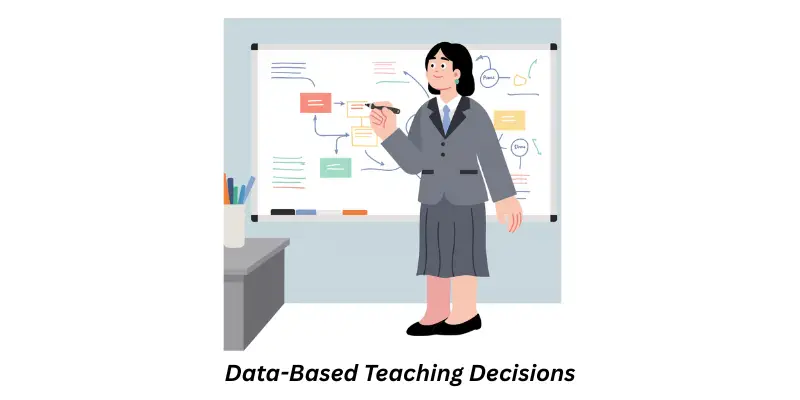
5. Data-Based Teaching Decisions
Teachers often need to know which topics students find hard. Some tools show patterns in student performance, making it easier to adjust lessons. This helps teachers guide students more effectively.
Key Advantages:
- It helps teachers notice difficult topics quickly.
- Lessons can be adjusted based on class needs.
- This improves the overall learning experience.
Disadvantages of AI in Education
While technology brings many benefits, there are also some challenges to consider. Using it without balance can create problems in learning. It’s important to understand these drawbacks so they can be handled in a better way.
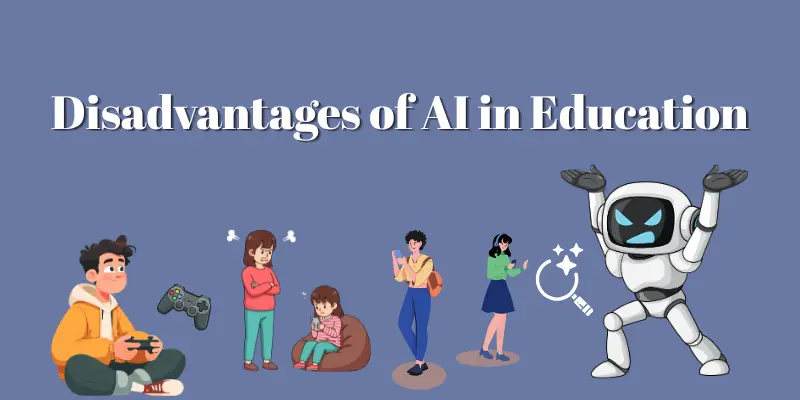
Here are some common disadvantages:
- Depending too much on tools
- Less personal interaction in class
- Getting distracted or using tools wrongly
- Not everyone has equal access
- Hard to understand without guidance
Let us cover all the above-mentioned cons of AI in education in detail.
1. Depending too much on tools
Relying heavily on tools can reduce independent thinking. In some cases, learners may stop trying to solve problems on their own. This can weaken basic understanding over time.
Main Concerns:
- This can lead to less practice of problem-solving skills.
- It may result in difficulty handling questions without help.
- Over time, confidence without support may decrease.
2. Less personal interaction in class
Spending too much time on screens can reduce real classroom interaction. Face-to-face discussion plays an important role in learning. Without it, lessons may feel less engaging.
Main Concerns:
- This can lead to weaker connection between students and teachers.
- In some cases, class discussions may become limited.
- It may reduce chances to share ideas with others.
3. Getting distracted or using tools wrongly
Technology can sometimes shift attention away from study. It becomes easy to open games or other apps during learning time. This affects focus and productivity.
Main Concerns:
- This can lead to loss of focus during study time.
- In some cases, time may be spent on non-learning activities.
- It may result in less practice and weaker preparation.
4. Not everyone has equal access
Not all students have the same resources at home. Some may lack devices or a stable internet connection. This creates a gap in learning opportunities.
Main Concerns:
- This can lead to unequal learning conditions.
- In some cases, students may fall behind due to lack of access.
- It may result in gaps in understanding between learners.
5. Hard to Understand Without Guidance
Some tools can be confusing at the start. Without proper help, students may not use them correctly. This can make learning feel more difficult instead of easier.
Main Concerns:
- This can lead to frustration during learning.
- In some cases, mistakes may increase due to confusion.
- It may slow down progress without proper support.
Impact of AI in education
The biggest change in education today is how learning is becoming more flexible and student-focused. Instead of following the same method for everyone, lessons are slowly adapting to different needs and learning styles. This shift is helping students feel more comfortable and confident while studying.
Another clear impact is the changing role of teachers. Rather than spending most of their time on routine tasks, they now have more space to guide, explain, and connect with students. This makes the classroom experience more meaningful and balanced.
At the same time, this shift also brings responsibility. Students need to stay focused and use tools wisely, while teachers need to guide them in the right way. When used with balance, these changes can make learning more practical, engaging, and better suited to real-life needs.
Things You Should Know About AI in Education
Here are a few important facts that show how learning is changing today:
- Around 88% of learners now use digital tools in some part of their studies.
- Many educators report saving several hours each week by using simple tools for routine work.
- More than 60% of teachers rely on technology for tasks like planning lessons and managing classwork.
- Usage has grown quickly, with a sharp rise in adoption over the past few years.
- A large number of students now explore study material even outside homework time.
The Future of AI in Education
Education is slowly moving toward a more balanced and practical approach. The focus is not only on better learning tools but also on making sure every student gets a fair chance to learn. Schools are starting to think more about equal access so that no one is left behind.
Teachers will continue to play a strong role in guiding students, especially in helping them think clearly and stay on track. At the same time, students will need to take more responsibility for how they study and use these tools. The future is not just about using technology but about using it in the right way to support real learning.
Final Note
By now, you have a clear idea of how learning is changing and what it means for both students and teachers. It is not just about new tools, but about finding better ways to understand and teach. When used wisely, these changes can make studying more clear and manageable.
Start with one small step today. Pick a subject you find difficult and try a simple learning app or online resource. Stay curious, keep exploring, and build your understanding step by step.
FAQs
Yes, learning methods are changing in many classrooms. Lessons are becoming more flexible and easier to follow. Many schools now focus on helping students understand topics step by step instead of rushing through them.
In many cases, it can make a clear difference. Better access to practice and explanations helps learners improve over time. This is one reason why many schools explore the role of AI in education today.
Most platforms are safe when used properly. It is important to follow basic guidelines and not share personal information. Using trusted apps makes the experience more secure and reliable.
Yes, teachers remain a key part of learning. They guide students, explain difficult topics, and provide real support. Technology simply helps them manage their work more smoothly.
Yes, many learners use them at home for practice and revision. This gives more time to review difficult topics. It also supports learning beyond school hours.
In many cases, they are helpful for different types of learners. However, access to devices and the internet can affect usage. Schools are working to make learning more equal for everyone.
Most platforms provide practice questions, quick corrections, and helpful suggestions. This makes it easier to stay on track. Over time, it helps build better study habits.
This can happen if tools are used without balance. It is important to think through problems independently as well. A mix of practice and guidance works best.
- Start with simple apps related to your subjects.
- Try small tasks like quizzes or short lessons.
- This helps build confidence step by step.
The focus is shifting toward fair and accessible learning for everyone. Schools are working to make sure no student is left behind. The goal is to support learning, not replace it.






- Be Respectful
- Stay Relevant
- Stay Positive
- True Feedback
- Encourage Discussion
- Avoid Spamming
- No Fake News
- Don't Copy-Paste
- No Personal Attacks
- Be Respectful
- Stay Relevant
- Stay Positive
- True Feedback
- Encourage Discussion
- Avoid Spamming
- No Fake News
- Don't Copy-Paste
- No Personal Attacks
