Role of AI in Entrepreneurship: Think Bigger, Build Better
Published: 11 Aug 2026
Is AI only useful for big companies with large teams and big budgets? Many new entrepreneurs still have this question. The latest data tells a different story. Small businesses are already using AI for daily work, and its use continues to grow. This makes the role of AI in entrepreneurship worth a closer look.
I have worked with computer tools long enough to see how simple digital tools can change the way people work. An entrepreneur can now get help with research, customer messages, content, and other tasks without building a large team. But knowing where to start can still feel confusing.
Let’s move forward and see how AI is playing a part in entrepreneurship.
What is entrepreneurship?
Entrepreneurship means turning an idea into a business that solves a real problem. An entrepreneur finds a need, plans a solution, and takes steps to build a business around it. This can mean starting an online store, opening a small shop, creating an app, or offering a useful service.

In my experience with computers and digital tools, a good business idea often starts with a simple problem. For example, a person may notice that local customers struggle to find fresh homemade food online. They can create a small delivery service to solve that problem. Entrepreneurship is not only about making money. It is also about finding better ways to meet people’s needs.
What Is the Role of AI in Entrepreneurship?
The role of AI in entrepreneurship means using smart computer tools to support different parts of running a business. An entrepreneur can use these tools to study information, write product details, check sales data, or handle simple customer questions.

For example, a small clothing business may receive hundreds of customer reviews about its products. An AI tool can read the feedback and group common points, such as poor sizing or requests for more colors. The owner can then review these findings and decide what changes to make. In my experience with computers, tools work best when people use their own knowledge and judgment to make the final choice.
AI and Entrepreneurship: How Are They Connected?
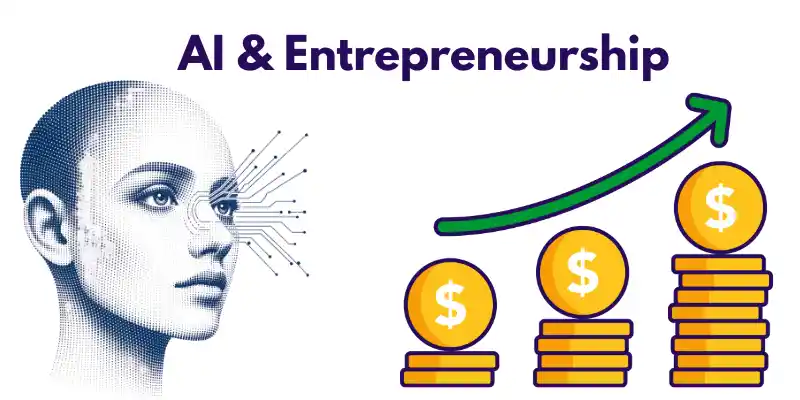
Modern businesses rely on technology for much more than basic computer work. Entrepreneurs can bring AI into different stages of a business, such as finding a market gap, testing an idea, launching a product, and tracking results. A person may use it for a small daily task or for deeper business planning. The level of use depends on the business goal. This connection also gives startups and small businesses access to tools that once required larger teams.
- Entrepreneurs can spot patterns in customer buying habits.
- Business owners can compare different product ideas before launch.
- AI can turn large amounts of business data into simple summaries.
- Small teams can handle more work without adding many employees.
How AI Helps Entrepreneurs Start a Business
Starting a business can feel confusing when you are doing everything for the first time. You have to find a good idea, learn about your customers, check other businesses, and make a plan. Today, computer-based tools can support you during these early steps. They can give you useful information to think about before you spend your time or money. But the final decision should always come from the person who knows the business and its goals.
- AI for New Business Ideas
- Testing a Business Idea Before Launch
- Creating a Business Plan With AI
1. AI for New Business Ideas
A business idea often starts with a simple question: What problem can I solve for people? Computer tools can help you look through customer comments, product reviews, and market discussions to find problems that people mention again and again.
- A common complaint can point to an untapped business idea.
- Old products can reveal room for better designs or features.
- Local problems can turn into useful business opportunities.
2. Testing a Business Idea Before Launch
Having an idea is only the first step. You also need to know if people would actually buy what you plan to offer. You can study your target customers, look at similar businesses, and collect early opinions before putting a large amount of money into the idea.
- A quick customer survey can expose problems before launch.
- Different age groups may want different features from the same product.
- Early opinions can save a new business from a costly mistake.
3. Creating a Business Plan With AI
Once you have a business idea, you need a simple plan for turning it into a real business. Computer tools can help you put your goals, expected costs, products, and marketing ideas in one place. You can then change the plan as you learn more about your market.
- A small cost that looks unimportant can affect the whole budget.
- Comparing two budgets can show which plan suits a new business.
- A written plan gives you something to check as the business grows.
Best AI Startup Tools for Entrepreneurs
When you start a business, you quickly notice that there are many small jobs to handle. You may spend your morning checking numbers and your evening answering customer messages. Good startup tools can take some pressure off these daily jobs. The trick is not to collect every new tool you find. Pick a few that fit the way you work and give you a clear reason to keep using them. A small business can start with basic tools and add more as its needs grow.
- AI Tools for Market Research
- AI Tools for Marketing
- AI Tools for Business Operations
1. AI Tools for Market Research
Imagine you want to sell handmade bags but do not know which style people prefer. Instead of guessing, you can use research tools to look at public discussions, reviews, and other useful information. This gives you more to work with before making a decision.
- Reviews often reveal what buyers dislike after a purchase.
- Public comments can show questions that buyers ask again and again.
- A new business can study several markets before choosing one.
2. AI Tools for Marketing
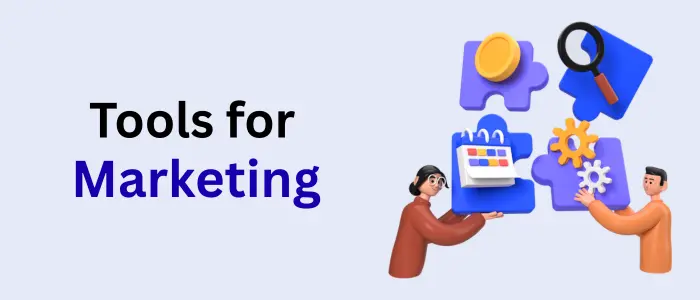
Marketing can feel awkward when you are new to business. You may know your product well but struggle to explain why someone should buy it. The right tools can give you fresh ways to present your product without making every post feel the same.
- A single customer question can become a useful post.
- Product photos can guide ideas for different types of content.
- Small businesses can keep their message similar across different platforms.
3. AI Tools for Business Operations
Once orders start coming in, the work behind the business can grow quickly. You may need to keep track of invoices, customer records, appointments, and many other details. A good setup keeps these jobs from becoming a messy pile of notes and files.
- Digital records can reduce the need for paper files.
- Automatic reminders can prevent missed appointments.
- Clear file names can save time when you need an old document.
How to Choose the Right AI Startup Tools
You do not need the most popular tool to run a good business. Think about the job that takes too much of your time, then look for something that fits that exact need. Before paying, check the price, setup process, privacy rules, and features you will actually use.
- Test a tool with a small task before making it part of your workflow.
- A simple tool can be better than a feature-packed one.
- Review your paid tools every few months and remove the ones you no longer use.
Benefits of AI in Entrepreneurship
When you start a business, you soon realize that the small jobs can take more time than expected. Checking messages, updating records, preparing content, and handling simple office work can fill your day. You do not need technology for every part of your business. But using it in the right places can make your daily work feel less heavy. From my experience with computers, the best tools are the ones that quietly make your work easier without getting in your way.
- Saves Time
- Reduces Business Costs
- Helps Entrepreneurs Understand Customers
- Supports Faster Business Growth
- Encourages New Ideas
1. Saves Time
Some jobs are easy but boring, and you have to repeat them again and again. When a computer takes care of part of that work, you can spend more time on things that need your attention.
- You can spend more time talking to real customers.
- Repeated work feels less tiring when you reduce the number of steps.
- A free hour here and there can make a busy day feel much better.
2. Reduces Business Costs
When you are building a new business, you may want to keep your spending low. You do not have to hire someone for every small task. Some simple work can stay with you while a computer takes care of the routine parts.
- You can handle some small jobs without hiring another person.
- The money you save can go toward things your customers can actually see.
- Small savings can matter when your business is still finding its feet.
3. Helps Entrepreneurs Understand Customers
Customers give you useful information all the time. It can come through a review, a complaint, a question, or even a product they keep coming back to buy. Looking at these details can help you notice what people really want.
- One repeated complaint may point to a problem worth fixing.
- Customer questions can show what your website does not explain well.
- Popular products can tell you more than a simple sales total.
4. Supports Faster Business Growth
A business can become difficult to manage when the number of customers starts growing. More orders bring more messages, records, and follow-ups. A good digital setup can help you keep these things under control as your workload increases.
- A busy period can show you which parts of your work need improvement.
- A clear process can make a growing workload easier to handle.
- Better organization can stop small tasks from piling up.
5. Encourages New Ideas
Business owners can get stuck doing things the same way for a long time. Looking at your products, customers, and daily work from a new angle can bring fresh ideas. Sometimes the next good idea is already sitting inside a problem you have noticed.

- A customer request can become a new product idea.
- An old product can inspire a different version.
- A simple business problem can lead to a useful new service.
Challenges of Using AI in Entrepreneurship
The role of AI in entrepreneurship comes with useful benefits, but it also has a few downsides. A tool can give you incorrect information, or you may spend money on features you never use. Your business data also needs proper care. New users may need some time to learn these tools and understand their limits. The best approach is to use them as a helping hand while keeping your own judgment in charge.
- Wrong AI Information
- Data Privacy Risks
- Hidden AI Costs
- Learning New AI Tools
- Overreliance on AI
Wrong AI Information
Sometimes a computer gives an answer that sounds perfect but contains a mistake. For an entrepreneur, a small mistake in a price, market figure, legal detail, or customer report can cause bigger problems later.
- Check important facts before using them in your business.
- Compare important information with trusted sources.
- Never treat a confident answer as proof that it is correct.
Data Privacy Risks
Your business may hold names, emails, orders, payment details, and private plans. You should know how a tool handles this information before you put any sensitive details into it.
- Keep private customer details out of tools that you do not fully trust.
- Read the tool’s privacy rules before using it for business work.
- A simple data mistake can affect customer trust for a long time.
Hidden AI Costs
One tool may seem affordable when you first sign up. The problem starts when you add several monthly plans for different jobs. A new business can end up paying for features it hardly uses.
- Check your paid tools regularly.
- Cancel tools that no longer serve a real purpose.
- Start with the features you actually need.
Learning New AI Tools
A new tool can look simple at first, but good results often come with practice. You need to learn what the tool can do, where it makes mistakes, and how to give it clear instructions.
- Start with one tool instead of learning several at once.
- Keep notes about what works well for your business.
- Practice on small tasks before using a tool for important work.
Overreliance on AI
The role of AI in entrepreneurship should never mean handing every business decision to a computer. A tool can show patterns or offer ideas, but it cannot fully understand your relationship with customers or the reasons behind every business choice.
- A regular customer may need a personal response.
- A sales drop may have a reason that numbers cannot show.
- Your experience should guide the final business decision.
Future of AI in Entrepreneurship
Will every new business need AI in the future? Not really. But it is becoming harder to ignore as more small businesses bring these tools into their daily work. In 2026, more than three out of four small and medium-sized startups in the US reported regular AI use. This shows how quickly the role of AI in entrepreneurship is changing.
The bigger change may come from how companies understand their customers and plan ahead. An online shop could offer products based on a customer’s interests, while a small company could study past sales before deciding what to stock next. From my experience with computers, I would still keep an important line between useful information and the final decision. A computer can show you a path, but the entrepreneur still chooses where to go.
Conclusion
We have covered the role of AI in entrepreneurship from different sides, including the good and the difficult parts. I would suggest that new entrepreneurs learn enough to understand these tools instead of blindly following them. They can open new doors, but they can also bring wrong information, unclear costs, and other risks. Keep checking what is new, learn from reliable business resources, and take time to see what actually works for you. A little learning can keep you ready as the business world changes. Let’s move to the next part of the FAQs, the last part of your guide, and drop a comment if you have any confusion.
FAQs
The role of AI in entrepreneurship is to support business owners with tasks such as research, planning, customer service, and data work. It can give entrepreneurs useful information while they focus on running their business. The final choice should always stay with the entrepreneur.
AI and entrepreneurship connect through the use of computer tools in different parts of a business. Entrepreneurs can use them to study markets, manage daily work, and learn more about their customers. This connection can also open new ways to build and sell products.
AI for entrepreneurs can reduce some repeated work and help organize information. This can give business owners more time for customers, products, and other important jobs. The best results come from choosing tools that match a real business need.
AI startup tools can cover areas such as customer research, marketing, writing, data work, and business management. A new business does not need to use many tools at once. Start with one tool that solves a clear problem and learn how to use it well.
It means turning an idea into a business that offers something useful to people. AI in entrepreneurship can support different parts of that journey, but the entrepreneur still creates the idea and guides the business.
AI business growth can involve using computer tools to understand sales, improve customer service, and handle a growing amount of work. This can help a business manage new demands as it expands. Growth still depends on the quality of the product and how well the business serves its customers.
Artificial intelligence entrepreneurship refers to building or running businesses with the help of artificial intelligence-based tools. It can also include creating new products and services around this technology. The field gives entrepreneurs new areas to explore as technology keeps changing.
The role of artificial intelligence in entrepreneurship matters because businesses now deal with large amounts of information and changing customer needs. Computer tools can help entrepreneurs make sense of this information and find useful patterns. This can give a small business another way to compete in a busy market.
AI for business decision making can give an entrepreneur another view of sales, customer activity, or market information. For example, it may show that one product sells better during a certain period. The owner can then review that information and decide what action makes sense.
AI for business innovation can help entrepreneurs look at problems from different angles and explore possible solutions. AI for new business ideas can also help someone find new ways to improve an existing product or service. The entrepreneur still needs to check whether the idea solves a real problem for real people.





- Be Respectful
- Stay Relevant
- Stay Positive
- True Feedback
- Encourage Discussion
- Avoid Spamming
- No Fake News
- Don't Copy-Paste
- No Personal Attacks
- Be Respectful
- Stay Relevant
- Stay Positive
- True Feedback
- Encourage Discussion
- Avoid Spamming
- No Fake News
- Don't Copy-Paste
- No Personal Attacks
