Role of AI in Urban Planning: How Is AI Used in Urban Planning?
Published: 14 Sep 2026
Is AI in urban planning really about letting computers design our cities, or is it simply a tool that helps planners do their work better? Many people are unsure about what AI can actually do in urban planning. Understanding its real role can make it easier to see where it helps and where human judgment still matters.
By the end of this guide, you’ll understand what role AI plays in urban planning, how planners use it, and what benefits and limits it has. You’ll also learn how to use it as a helpful tool without losing human creativity and ideas.
Let’s get started.
How AI Is Used in Urban Planning: Major Roles
Alright guys, now that you have a clear idea of what AI can do in urban planning, let’s take a closer look at the key roles it plays. These roles show how AI helps planners better understand cities, make informed decisions, and plan for future needs.
Here is the list of some important roles of AI in urban planning:
- Urban Data Analysis
- Land Use Planning
- Traffic and Mobility Management
- Smart Infrastructure Planning
- Environmental Monitoring
- Urban Growth Prediction
- Public Safety and Risk Management
- Community Engagement
- Resource Management
- Decision Support
Let’s study each role one by one to see how AI supports different parts of urban planning.
1. Urban Data Analysis
Urban data analysis means using information from different parts of a city to understand what is happening and where changes are needed. It helps planners turn city data into useful information for better planning.
By studying data about roads, land use, housing, population, and public services, planners can spot patterns and make better decisions. It also helps them understand current needs and plan for future changes. Good data analysis makes urban planning more focused and practical.
- Purpose: Helps planners understand how a city works and where improvements are needed.
- How It Helps: It brings different types of city data together to support better planning decisions.
- Common Uses: Planners can use it to study traffic, land use, population patterns, housing, and public services.
- Main Benefit: It helps planners make decisions based on real information instead of guesswork.
- Example: A planner can study traffic data to find roads that often face heavy congestion.
- Best Practice: Use accurate, recent, and relevant data before making planning decisions.
- Limitation: Poor-quality or incomplete data can lead to weak planning decisions.
- Things to Remember: Data should support human judgment, not replace the planner’s understanding of the local area.
2. Land Use Planning
Land use planning means deciding how different parts of a city should be used, such as for homes, businesses, roads, parks, and public services. AI can help planners study land patterns and understand where different types of development may work best.
It can compare land, population, transport, and other planning information to support better decisions. This helps planners use available space more wisely and avoid conflicts between different land uses. It also makes it easier to plan areas that can meet both current and future needs.
- Purpose: Helps planners decide how different areas of a city should be used.
- How It Helps: It compares land-related information to support more suitable development choices.
- Common Uses: It can help identify suitable areas for housing, businesses, parks, and public facilities.
- Main Benefit: It supports better use of limited urban land.
- Example: A planner can compare transport access and nearby services before selecting an area for new housing.
- Best Practice: Consider existing land use, transport, public services, and future needs together.
- Limitation: Planning decisions can suffer when land data is outdated or incomplete.
- Things to Remember: AI can support land use decisions, but local planning rules and community needs still matter.
3. Traffic and Mobility Management
Traffic and mobility management focuses on how people and vehicles move around a city. AI can help planners understand traffic patterns and find better ways to improve movement across busy areas.
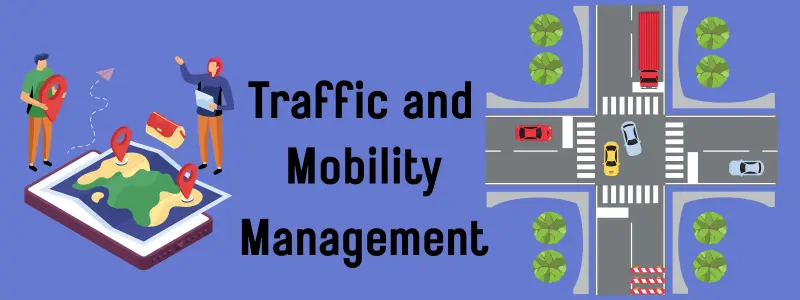
It can study information about roads, traffic flow, public transport, and travel patterns. This helps planners identify problem areas and consider changes that can make travel smoother. It can also support better planning for different types of transport, including walking and cycling.
- Purpose: Helps planners improve how people and vehicles move around a city.
- How It Helps: It helps identify traffic patterns and areas where movement needs improvement.
- Common Uses: It can support traffic planning, public transport planning, route analysis, and congestion management.
- Main Benefit: It helps planners make transport decisions based on actual travel patterns.
- Example: Planners can study traffic at different times to find roads that need better traffic management.
- Best Practice: Look at different travel modes instead of focusing only on private vehicles.
- Limitation: Traffic patterns can change quickly because of road works, events, weather, or other factors.
- Things to Remember: Improving mobility means considering pedestrians, cyclists, public transport users, and drivers together.
4. Smart Infrastructure Planning
Smart infrastructure planning means planning roads, water systems, energy networks, public facilities, and other city services in a more informed way. AI can help planners understand where infrastructure is needed and how existing systems perform.
By bringing together information about infrastructure, population, land use, and demand, AI can help planners set better priorities. It can also help identify areas that may need upgrades or additional services. This supports more organized and efficient urban development.
- Purpose: Helps planners plan and manage important city infrastructure.
- How It Helps: It brings infrastructure and city data together to support better planning choices.
- Common Uses: It can support planning for roads, water supply, energy systems, waste services, and public facilities.
- Main Benefit: It helps planners focus attention on areas with greater infrastructure needs.
- Example: A city can study water demand and population patterns when planning improvements to its water network.
- Best Practice: Plan infrastructure alongside population growth and land development.
- Limitation: Infrastructure data may come from different sources and may not always match.
- Things to Remember: New infrastructure should meet local needs and remain practical to maintain.
5. Environmental Monitoring
Environmental monitoring involves keeping track of conditions such as air quality, water quality, green spaces, and other environmental factors. AI can help planners study this information and understand how development affects the urban environment.

It can bring environmental data together and help identify changes or areas that need attention. This gives planners a clearer picture of environmental conditions before they make development decisions. It also supports planning that gives more attention to environmental protection.
- Purpose: Helps planners understand and manage environmental conditions in cities.
- How It Helps: It helps identify environmental changes and areas that may need action.
- Common Uses: It can support air quality monitoring, green space planning, water management, and environmental assessment.
- Main Benefit: It helps planners include environmental concerns in development decisions.
- Example: Planners can study green space data to find areas that have limited access to parks.
- Best Practice: Combine environmental information with land use and development plans.
- Limitation: Environmental conditions can change because of many factors outside a planning project.
- Things to Remember: Environmental data needs careful checking before planners use it to guide major decisions.
6. Urban Growth Prediction
Urban growth prediction means studying how a city may change as its population, housing, businesses, and infrastructure grow. AI can help planners examine existing patterns and consider possible future changes.
It can study factors such as population trends, land use, transport access, and development patterns. This helps planners think ahead instead of reacting only after growth happens. Better growth planning can also help cities prepare land and services for future needs.
- Purpose: Helps planners prepare for possible changes in the size and structure of a city.
- How It Helps: It uses existing patterns to support planning for future development.
- Common Uses: It can support housing plans, infrastructure planning, land use decisions, and transport planning.
- Main Benefit: It encourages planners to prepare for future needs earlier.
- Example: A planner can study development patterns around a growing city to identify areas that may need new services.
- Best Practice: Use several factors when studying future growth instead of relying on one trend.
- Limitation: Future growth can change because of economic, social, political, or environmental conditions.
- Things to Remember: Growth predictions are planning tools, not guaranteed outcomes.
7. Public Safety and Risk Management
Public safety and risk management focus on identifying areas where people or infrastructure may face risks. AI can help planners study information related to hazards, emergencies, and vulnerable areas.

It can help combine different types of risk information to give planners a clearer view of potential problems. This can support safer decisions about land use, infrastructure, emergency routes, and public facilities. It also helps planners consider safety before new development takes place.
- Purpose: Helps planners identify and manage risks that may affect people and urban areas.
- How It Helps: It helps planners understand where risks may be higher and where action may be needed.
- Common Uses: It can support flood planning, emergency planning, hazard mapping, and safer infrastructure decisions.
- Main Benefit: It helps planners consider safety earlier in the planning process.
- Example: A planner can use hazard information to avoid placing important public facilities in high-risk areas.
- Best Practice: Combine risk information with local knowledge and existing safety guidelines.
- Limitation: Risk information may not capture every possible future event.
- Things to Remember: Safety decisions should use reliable information and follow established planning and emergency standards.
8. Community Engagement
Community engagement means involving local people in decisions that affect their neighborhoods and daily lives. AI can help planners understand public feedback and organize large amounts of community input.
It can help sort comments, identify common concerns, and highlight topics that people discuss most often. This can make it easier for planners to understand different views during a planning process. However, direct communication with residents still plays an important role.
- Purpose: Helps planners better understand what local communities want and need.
- How It Helps: It can organize and review large amounts of public feedback.
- Common Uses: It can support surveys, feedback analysis, public consultations, and community planning.
- Main Benefit: It helps planners identify common concerns more easily.
- Example: Planners can review feedback from residents about a proposed road or park project.
- Best Practice: Give people clear ways to share their views and explain how their feedback affects decisions.
- Limitation: Not every community member may have equal access or interest in digital feedback methods.
- Things to Remember: Public feedback should not be reduced to numbers alone; planners need to understand the reasons behind people’s views.
9. Resource Management
Resource management means planning how a city uses important resources such as water, energy, land, and waste services. AI can help planners understand demand and find areas where resources may need better management.
It can study patterns in resource use and help planners identify changing needs. This supports better planning for services and can reduce unnecessary pressure on limited resources. It also helps cities connect resource planning with population and development plans.
- Purpose: Helps cities manage important resources in a more organized way.
- How It Helps: It helps planners understand resource use and changing demand.
- Common Uses: It can support water management, energy planning, waste management, and resource allocation.
- Main Benefit: It helps planners match resources with the needs of growing communities.
- Example: A city can study water use patterns when planning services for a growing residential area.
- Best Practice: Review resource demand regularly as population and development patterns change.
- Limitation: Resource data may not always show informal or unrecorded patterns of use.
- Things to Remember: Resource planning should balance present needs with long-term availability.
10. Decision Support
Decision support means helping planners compare information and make more informed choices. AI can bring together different types of planning data so planners can better understand the possible effects of different options.
Instead of looking at each issue separately, planners can compare factors such as cost, land use, transport, services, and environmental concerns. This can make complex planning decisions easier to assess. The final choice should still consider planning rules, local conditions, and human judgment.
- Purpose: Helps planners compare options and make more informed decisions.
- How It Helps: It brings relevant information together so planners can assess different choices.
- Common Uses: It can support site selection, infrastructure planning, transport decisions, and development proposals.
- Main Benefit: It makes complex planning information easier to compare.
- Example: A planner can compare several locations for a new public facility based on access, land use, and nearby services.
- Best Practice: Clearly define the planning problem before comparing different options.
- Limitation: The quality of a decision depends on the quality and relevance of the information used.
- Things to Remember: AI can support a decision, but planners remain responsible for considering local needs and wider impacts.
Point to remember: The real value of these tools comes from using them to support clear planning goals, not simply using them because they are available.
How AI Is Used Across Different Types of Urban Planning
AI can support many types of urban planning, but its use should change based on the area being planned, the population, the purpose of the project, and the level of improvement needed. A small neighborhood project may need a different approach from a large city development plan, so planners should choose the right tools and information for each situation.
- Residential Planning: AI can help planners study housing needs, population patterns, and suitable locations for new residential areas.
- Commercial Planning: AI can help assess business activity, customer movement, land availability, and suitable locations for commercial development.
- Transportation Planning: AI can help planners understand travel patterns, traffic conditions, and public transport needs to support better mobility.
- Environmental Planning: AI can help track environmental conditions and support decisions about green spaces, pollution control, and sustainable development.
- Infrastructure Planning: AI can help planners assess existing services and identify where roads, utilities, public facilities, or other infrastructure may need improvement.
- Regional Planning: AI can help planners study connections between cities, towns, land use, transport, and population growth across a wider area.
- Community Planning: AI can help planners understand local needs and organize public feedback when shaping plans for neighborhoods and communities.
- Urban Renewal Planning: AI can help identify areas that need improvement and support planners when deciding where redevelopment or regeneration may be useful.
- Disaster and Risk Planning: AI can help planners identify areas exposed to hazards and support safer decisions about land use, infrastructure, and emergency planning.
The key is not to use the same approach everywhere. Good urban planning starts with understanding the place, its people, and its needs, then using the right information to support better decisions.
Benefits and Limitations of AI in Urban Planning
AI can make urban planning more efficient, especially when planners need to work with large amounts of information or compare several planning options. At the same time, it comes with practical challenges, so planners need to know where it adds value and where human judgment remains essential.
Benefits:
AI can help planners spend less time on repetitive work and more time thinking about planning choices. It can also make it easier to compare information, test different possibilities, and respond to changing urban needs.
Here are the main advantages of using AI in urban planning:
- Faster Data Processing: AI can review large amounts of planning data much faster than manual methods.
- Scenario Testing: It can help planners explore different development options before choosing a suitable approach.
- Early Problem Detection: AI can highlight unusual patterns or potential planning issues that may need closer attention.
- Better Resource Allocation: It can help planners compare needs and decide where limited resources may have the greatest value.
- Continuous Monitoring: AI can help track changes in areas such as land use, traffic, infrastructure, and environmental conditions over time.
- More Informed Decisions: It gives planners additional information to consider when weighing different planning choices.
- Reduced Repetitive Work: AI can handle routine data-related tasks, allowing planners to focus more on complex issues.
- Support for Complex Projects: It can help bring information from different planning areas together when a project involves many factors.
Limitations:
The quality of AI-supported planning depends heavily on the data, methods, and assumptions behind it. More importantly, a result that looks useful on paper may not always work well when planners consider the real conditions of a neighborhood or city.
However, planners should also understand the following limitations:
- Data Gaps: Missing information can prevent AI from giving a complete picture of an area.
- Local Context Can Be Missed: AI may not fully capture local customs, informal practices, or neighborhood-specific concerns.
- Uncertain Predictions: Future urban conditions can change in ways that no planning model can fully predict.
- High Implementation Requirements: Using advanced AI systems may require suitable data, technical skills, infrastructure, and ongoing support.
- Transparency Challenges: Some AI systems can make it difficult for planners to clearly explain how a result was produced.
- Equity Concerns: A planning system can produce unfair outcomes if the information or assumptions behind it overlook certain communities.
- Human Oversight Remains Necessary: Planners must review AI-supported findings before using them for important decisions.
- Not Every Planning Problem Needs AI: Simple planning tasks may not benefit enough from AI to justify the added complexity.
AI vs Human Urban Planning
Urban planning has traditionally relied on data research, local requirements, available facilities, site conditions, and the knowledge of experienced planners. These factors help planners understand what an area needs and choose development options that fit its people and surroundings.
AI can now support many of these tasks by processing information, finding patterns, and comparing planning options. However, human planners still bring local understanding, professional judgment, and practical knowledge that AI cannot fully provide.
| Planning Factor | AI in Urban Planning | Human Urban Planning |
| Data Analysis | AI can process large amounts of data and identify patterns in areas such as land use, population, transport, and infrastructure. | Planners can study the data while considering local conditions and information that may not appear in datasets. |
| Planning Decisions | AI can compare different options and provide information that supports planning decisions. | Planners make the final decisions by considering regulations, local needs, practical conditions, and wider impacts. |
| Local Knowledge | AI can work with available location-based data but may miss details that are not recorded. | Planners can use their knowledge of the area, local facilities, community needs, and on-ground conditions. |
| Scenario Planning | AI can help model different development possibilities and show how certain changes may affect an area. | Planners can judge whether those possibilities make sense within the real social, physical, and planning context. |
| Traffic and Mobility | AI can analyze travel patterns, traffic information, and transport data to identify possible problem areas. | Planners can consider road conditions, pedestrian behavior, public transport needs, and practical movement within the area. |
| Community Needs | AI can organize surveys and other available community information to identify common patterns. | Planners can engage directly with residents and understand concerns, priorities, and experiences behind the information. |
| Infrastructure Planning | AI can help assess infrastructure needs by comparing population, development, service use, and location data. | Planners can consider whether proposed infrastructure is practical, affordable, accessible, and suitable for the local area. |
| Environmental Planning | AI can help analyze environmental data and identify changes or areas that may need attention. | Planners can balance environmental concerns with development needs, local conditions, regulations, and community priorities. |
| Risk Assessment | AI can analyze available information to identify areas that may face higher levels of risk. | Planners can combine risk information with local knowledge and professional judgment when making safety-related decisions. |
| Professional Judgment | AI can provide analysis and possible options, but it does not take responsibility for the planning decision. | Planners bring professional responsibility, experience, and judgment to decide what works best for a particular place. |
Looking Ahead
I see AI as a useful support for urban planners rather than a replacement for them. It can save time, handle complex information, and help us explore different options, while human creativity, critical thinking, experience, fact-checking, and careful judgment remain essential for responsible urban planning.
Final Thoughts
Looking back at the points discussed, AI has a growing role in helping urban planners handle different city planning tasks. It can process large amounts of data, spot patterns, and save time in areas such as traffic, land use, infrastructure, and public services. Still, AI has limits and cannot fully understand local needs or human concerns.
For the best results, planners should use AI as a support tool, not a replacement for human work. Creativity, critical thinking, factual research, and human judgment still matter when making important planning decisions.
What do you think about the role of AI in urban planning? Share your experience or opinion in the comments.
Some Important Questions About the Role of AI in Urban Planning
After looking at the main ideas, readers may still have questions about how cities can use this technology in real planning work. Here are some common questions with clear answers.
AI is used in urban planning to study city data and help planners make informed choices. It can work with information about population growth, land use, transport, housing, and public needs. Artificial intelligence in urban planning can also help planners test different ideas before they put a plan into action.
AI has several applications that can help planners handle different city needs.
- Studying population and housing trends
- Mapping land and public spaces
- Predicting future city growth
- Finding patterns in large datasets
- Testing possible planning decisions
Yes, AI can help with city planning by giving planners useful data and possible planning options. AI for urban planning can process large datasets that may take people much longer to study. Planners can then use these results with their own knowledge before making a final decision.
AI can create draft plans or planning options, but urban planners still need to check and shape them. A computer may suggest where certain services or buildings could fit based on available data. It cannot fully judge community needs, local culture, public opinions, or other human factors.
Urban planners use different AI tools based on the task they need to complete.
- Mapping and location analysis tools
- Data analysis and prediction tools
- Traffic simulation software
- Image and satellite data analysis tools
- Generative tools for early planning ideas
The best choice depends on the project, data, budget, and planning goal.
Cities can use AI by starting with a clear planning problem and reliable data. They should then test the results on a small project before using them across a wider area.
For planners:
- Set a clear goal
- Check the data quality
- Test the results
For city leaders:
- Keep human review in the process
- Protect public data
- Listen to local communities
Machine learning in urban planning helps computers find patterns in past and current data. For example, it can study years of population or transport data and use those patterns to estimate what may happen next. Planners can use these estimates when they study future city needs.
A city should start when it has a clear problem, useful data, and a team that can check the results. Starting with a small project can help the city learn what works before making a larger investment. This approach also gives planners time to find data problems and adjust their process.
Yes, AI can support urban management by helping city teams handle information from different sources. It can help staff notice changes, track city conditions, and plan their daily work. Human teams still need to make decisions and respond to issues that require local knowledge.
Cities can improve fairness by checking the data, testing results, and including people from different parts of the community. They should not depend on an AI result without human review. Regular checks can also help planners find errors or unfair patterns before they affect important decisions.






- Be Respectful
- Stay Relevant
- Stay Positive
- True Feedback
- Encourage Discussion
- Avoid Spamming
- No Fake News
- Don't Copy-Paste
- No Personal Attacks
- Be Respectful
- Stay Relevant
- Stay Positive
- True Feedback
- Encourage Discussion
- Avoid Spamming
- No Fake News
- Don't Copy-Paste
- No Personal Attacks
