AI in Systems Engineering: A Smart Guide for Engineers
Published: 12 Sep 2026
AI in systems engineering does not necessarily mean handing system design over to an algorithm. In practice, AI can be used as an engineering support capability, helping with activities such as requirements analysis, information retrieval, documentation, and identifying potential issues. Engineers still need to define objectives, evaluate outputs, make critical decisions, and ensure that the resulting system meets its requirements.
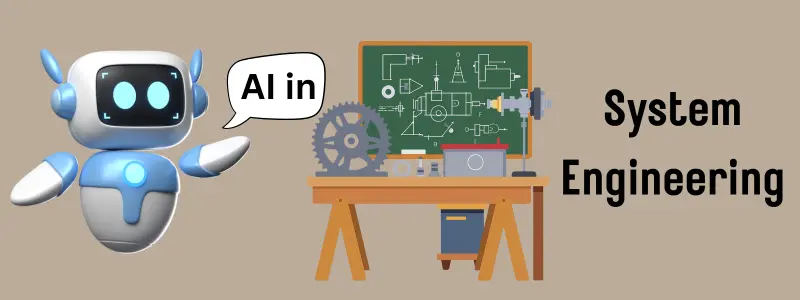
Should engineers embrace AI in systems engineering, or is it better to stick with traditional methods? The answer becomes clearer once you understand what AI can actually do and where human skills remain essential. By the end of this guide, you’ll know how AI is used in systems engineering, the benefits and challenges it brings, and how to use it effectively without taking creativity and human decision-making out of the process. We’ll cover its role, practical uses, limitations, and the best approach to bringing it into engineering work.
AI in Systems Engineering: Main Areas
So guys, now you have a basic idea of AI in systems engineering. Let’s take a closer look at the different ways it can help engineers handle complex tasks, make better decisions, and manage systems more effectively.
Here are the main roles of AI in systems engineering:
- Requirements Analysis and Management
- System Design and Architecture Support
- Modeling and Simulation
- System Integration Support
- Verification and Validation
- Risk and Failure Analysis
- System Monitoring and Maintenance
- Decision Support and Optimization
Let’s understand each role one by one to see how AI supports different parts of systems engineering.
1. Requirements Analysis and Management
Requirements tell engineers what a system needs to do and what it must achieve. AI in systems engineering can help engineers sort through requirements, spot links between them, and find possible gaps or conflicts before they cause bigger problems.
This role matters because even a small missed requirement can affect later design and testing work. By helping organize and review requirements, AI gives engineers a clearer view of what the system needs and helps them spend more time on important decisions.
- Purpose: Helps engineers understand, organize, and manage system requirements clearly.
- How It Helps: It can review large sets of requirements and highlight possible gaps, conflicts, or connections.
- Common Uses: Engineers can use it for requirement classification, traceability, consistency checks, and change tracking.
- Main Benefit: It makes requirement work easier to manage and helps engineers catch issues earlier.
- Example: An engineer can use AI to compare a new requirement with existing ones and flag a possible conflict.
- Best Practice: Always review important findings yourself before accepting or changing a requirement.
- Limitation: AI can misunderstand unclear requirements or miss important details when the information lacks context.
- Things to Remember: Keep requirements clear and well-structured so the results remain useful.
From a practical point of view, requirements work becomes much easier when engineers have a clear way to organize and review information. The real value comes from using AI to support that process while keeping the final judgment with the engineer.
2. System Design and Architecture Support
System design and architecture define how the different parts of a system should work together. AI in systems engineering can help engineers compare design choices, understand system relationships, and explore possible solutions before they settle on an approach.
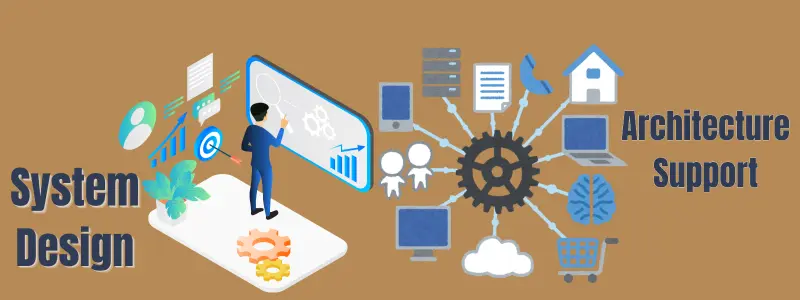
This role matters because a poor design choice can create problems later in development, testing, or maintenance. AI can help engineers look at more options and work through complex design information faster. It can also highlight connections or issues that deserve a closer look, while the engineer makes the final design decision.
- Purpose: Helps engineers plan how system components should work together.
- How It Helps: It can review design information, compare options, and highlight possible issues or dependencies.
- Common Uses: Engineers can use it for architecture analysis, design comparison, interface planning, and exploring different system options.
- Main Benefit: It gives engineers more useful information when choosing between design approaches.
- Example: An engineer can ask AI to compare two architecture options based on factors such as cost, performance, and ease of maintenance.
- Best Practice: Use clear system requirements and constraints when reviewing design options.
- Limitation: AI may suggest a design that looks reasonable but does not fit a specific technical or business need.
- Things to Remember: Treat suggestions as input for engineering decisions, not as the final answer.
From a practical perspective, good system design often starts with having a clear view of how every part connects. AI can make that review easier, but engineers still need to understand the system deeply and decide which design actually makes sense.
3. Modeling and Simulation
Modeling and simulation help engineers create a working picture of how a system should behave before they build or change the real thing. AI in systems engineering can help analyze these models, test different conditions, and make it easier to explore how a system may respond to different inputs.
This role matters because engineers often need to check several possibilities before choosing a solution. Instead of relying only on physical tests, they can use simulations to explore different situations and find areas that need attention. AI can also help engineers work through simulation results and focus on patterns or conditions that may need a closer look.
- Purpose: Helps engineers understand and test how a system may behave under different conditions.
- How It Helps: It can analyze simulation results, explore different scenarios, and help identify possible system behavior.
- Common Uses: Engineers can use it for virtual testing, scenario analysis, performance checks, and system behavior studies.
- Main Benefit: It lets engineers explore design choices before making changes to the real system.
- Example: An engineer can simulate how a system responds to a sudden increase in workload and review the results before testing it in a real environment.
- Best Practice: Build simulations around clear requirements and realistic system conditions.
- Limitation: A simulation can only be as useful as the model, data, and assumptions behind it.
- Things to Remember: Always compare important simulation results with real-world requirements and engineering knowledge.
In practice, modeling becomes much more useful when engineers use it to ask clear questions rather than simply generate more results. I find that a well-planned simulation gives the team a safer way to explore possibilities before committing to a real design.
4. System Integration Support
System integration means bringing different parts of a system together and making sure they work properly as one complete system. AI in systems engineering can help engineers understand how components connect, find possible integration issues, and manage the large amount of information involved in putting a system together.
This role matters because a system can have well-designed parts and still face problems when those parts interact. Engineers need to check interfaces, dependencies, data flows, and expected behavior across the whole system. AI can help organize this information and point engineers toward areas that need more attention, making integration work easier to manage.
- Purpose: Helps engineers bring different system components together and check how they work as a whole.
- How It Helps: It can review component relationships, interface information, and dependencies to highlight possible issues.
- Common Uses: Engineers can use it for interface checks, dependency tracking, integration planning, and identifying potential conflicts.
- Main Benefit: It gives engineers a clearer view of how different parts of the system affect one another.
- Example: An engineer can review the connections between a new software module and existing system components to find possible interface problems before integration.
- Best Practice: Keep interface details, system dependencies, and component information clear and up to date.
- Limitation: AI may miss an integration issue when system information is incomplete, outdated, or unclear.
- Things to Remember: Test important connections in the actual system and do not rely only on automated checks.
From a practical point of view, integration problems often appear where different parts meet, not inside the individual parts themselves. A clear view of those connections makes the engineer’s job much easier, and AI can help provide that view without taking away the need for careful testing and judgment.
5. Verification and Validation
Verification and validation help engineers make sure a system meets its requirements and works as people expect it to. AI in systems engineering can support this work by checking large amounts of test information, finding unusual results, and helping engineers review whether the system performs as planned.
This role matters because finding a problem after a system reaches users can take more time and effort to fix. Engineers can use AI to review test cases, compare expected and actual results, and spot areas that need another check. It can also help organize test information so engineers can focus on the issues that need their attention most.
- Purpose: Helps engineers check that the system meets its requirements and performs as expected.
- How It Helps: It can review test results, compare system behavior with requirements, and flag unusual findings.
- Common Uses: Engineers can use it for test analysis, requirement checks, defect detection, and reviewing test coverage.
- Main Benefit: It helps engineers find potential problems earlier and manage large amounts of testing information.
- Example: An engineer can use AI to compare expected test results with actual results and highlight cases that do not match.
- Best Practice: Define clear test requirements and review important findings before making a final decision.
- Limitation: AI may flag a result as a problem when it has valid technical reasons that the tool cannot understand.
- Things to Remember: Do not treat automated findings as proof that a system passes or fails without proper engineering review.
In practice, verification and validation work becomes much easier when test information stays organized and easy to trace back to requirements. AI can speed up the review, but I would always keep an engineer involved when deciding whether a system truly meets its requirements.
6. Risk and Failure Analysis
Risk and failure analysis helps engineers find what could go wrong in a system and understand how those problems may affect it. AI in systems engineering can help review system data, identify possible failure points, and give engineers a clearer picture of areas that need attention.
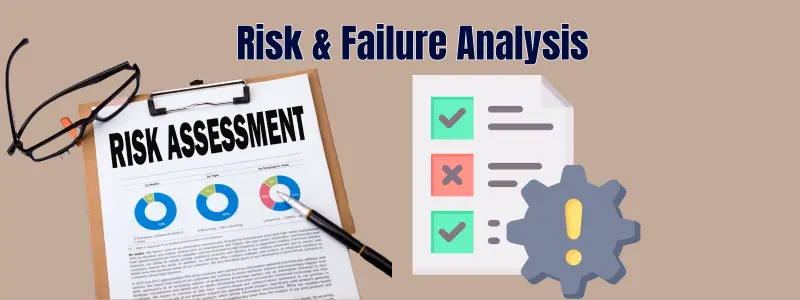
This role matters because engineers need to think about problems before they affect the system. AI can help them review many system details and spot patterns that may point to a possible risk. Engineers can then study those areas more closely, compare different risks, and choose suitable ways to reduce them.
- Purpose: Helps engineers identify possible risks and understand how system failures may affect performance.
- How It Helps: It can review system information and highlight patterns, weak points, or conditions that need further checking.
- Common Uses: Engineers can use it for failure analysis, risk assessment, fault detection, and reviewing possible causes of system problems.
- Main Benefit: It helps teams focus their attention on risks that need closer engineering review.
- Example: An engineer can review past system test results to find conditions that often appear before a component fails.
- Best Practice: Combine the results with engineering knowledge, system requirements, and proper testing.
- Limitation: AI may miss a rare failure or misunderstand a risk when there is little useful information to review.
- Things to Remember: Never assume that a risk does not exist simply because the system does not flag it.
From a practical perspective, risk analysis works best when engineers look at both obvious and less obvious failure paths. AI can help widen that review, but human judgment still matters when deciding how serious a risk is and what action makes sense.
7. System Monitoring and Maintenance
System monitoring and maintenance help engineers keep track of how a system performs after it goes into use. AI in systems engineering can help engineers watch system data, notice unusual changes, and identify areas that may need attention before they turn into larger problems.
This role matters because systems can change over time as components wear, workloads shift, or new updates affect performance. Regular monitoring gives engineers a better view of what is happening inside the system. AI can help sort through ongoing system information, highlight unusual behavior, and support maintenance planning so engineers can act at the right time.
- Purpose: Helps engineers monitor system health and keep systems working as expected.
- How It Helps: It can review system data and flag unusual changes that may need further investigation.
- Common Uses: Engineers can use it for performance monitoring, fault detection, maintenance planning, and condition tracking.
- Main Benefit: It helps engineers notice potential issues earlier and respond before they grow.
- Example: An engineer can monitor equipment data and investigate an unusual change in temperature or performance.
- Best Practice: Set clear limits for important system conditions and review alerts regularly.
- Limitation: AI can raise unnecessary alerts or miss an issue when the available system data is incomplete.
- Things to Remember: Check important alerts before taking action, especially when a system affects safety or critical operations.
In practice, good monitoring gives engineers a much clearer idea of how a system behaves after deployment. I see the biggest value in using it to spot changes early, while engineers still decide what those changes mean and what action to take.
8. Decision Support and Optimization
Decision support and optimization help engineers compare different choices and find practical ways to improve a system. AI in systems engineering can help process system information, compare possible options, and point engineers toward choices that meet important goals and limits.
This role matters because system engineers often balance several needs at once, such as performance, cost, reliability, and resource use. AI can work through different options and help show how each choice may affect the system. Engineers can then use that information to make a decision that fits the system’s real needs.
- Purpose: Helps engineers compare choices and improve system performance within set limits.
- How It Helps: It can examine different options and show which choices better match defined goals and constraints.
- Common Uses: Engineers can use it for resource planning, design trade-offs, scheduling, performance improvement, and system optimization.
- Main Benefit: It helps engineers make complex choices with a clearer view of the available options.
- Example: An engineer can compare several system configurations to find one that balances performance, cost, and resource use.
- Best Practice: Define clear goals and limits before using AI to compare or optimize options.
- Limitation: A solution that looks best according to selected goals may not work well when practical factors are missing from the analysis.
- Things to Remember: Always check whether the recommended option makes sense for the actual system and its users.
In practice, optimization works best when engineers know exactly what they want to improve before comparing different options. AI can make that comparison easier, but the final choice should still reflect real engineering needs, not just the option that looks best on paper.
Benefits and Limitations of AI in Systems Engineering
Every technology brings useful possibilities along with some limits, and AI in systems engineering is no different. It can help engineers understand complex systems, handle large amounts of information, and make engineering work more manageable, but it still needs human knowledge and careful control.
| Benefits: |
|---|
|
AI can support engineers at different stages of the system lifecycle and make difficult tasks easier to handle. Its value becomes clearer when teams use it to support engineering work rather than depend on it for every decision. Here are the main advantages of using AI in systems engineering:
|
| Limitations: |
|---|
|
The usefulness of AI in systems engineering depends heavily on the quality of the information, instructions, and engineering context it receives. It can support technical work, but engineers still need to check its output and take responsibility for important system decisions. However, engineers should also understand the following limitations:
The best approach is to treat AI in systems engineering as an engineering support capability. It can improve how teams analyze and manage systems, but human engineers should remain responsible for understanding the system, checking the results, and making the final decisions. |
| AI vs Systems Engineering |
|---|
|
When I compare AI with systems engineering, I see two very different ways of solving problems. Systems engineering has long relied on human research, creativity, experience, and careful judgment. Engineers look at the whole system and balance its needs, limits, safety, cost, and purpose. AI brings another way to the process. It can study large amounts of data, find patterns, and support engineers with many tasks. Still, it does not have the real-world experience or human judgment that engineers use when making important system decisions. That is why AI vs systems engineering is not about choosing one over the other. It is about knowing where each one fits. AI vs System Engineers
|
Final Note
In this guide, we’ve covered the role of AI in systems engineering and looked at how it can support engineers across different stages of system work. AI can assist with data analysis, system modeling, testing, monitoring, research, and routine tasks. It can also save time and help engineers handle large amounts of technical information.
At the same time, AI has clear limits. It can produce incorrect results, miss important context, and depend on the quality of the data it receives. Engineers still need to check facts, review results, understand system needs, and make important decisions.
The best approach is to use AI as a support tool, not as a replacement for engineers. Human creativity, critical thinking, practical experience, factual research, and careful editing still matter when a system needs reliable and thoughtful decisions.
How has AI affected your work in systems engineering? Share your experience or opinion in the comments.
Frequently Asked Questions
Here are some questions readers may still have about using AI in systems engineering and what it means for engineers.
Systems engineers need strong problem-solving, communication, and technical skills. They should also know how to check data and question computer-generated results. These skills help engineers make sound choices when working with AI systems engineering tools.
A systems engineer can start with basic AI and machine learning concepts, then practice with simple engineering problems. Learning how data works also helps engineers understand what these tools can and cannot do. Small projects can build confidence before they move to complex tasks.
Yes, AI can work alongside many existing engineering tools when the software supports data exchange or integration. The exact setup depends on the software, data format, and project needs. Engineers should check compatibility before adding a new AI tool to an existing workflow.
Data quality matters because AI depends on the information it receives. Missing, outdated, or incorrect data can lead to poor results. Engineers should check the source and quality of the data before using it for an engineering decision.
Companies should first define the problem they want AI to solve. They should then consider data quality, cost, security, staff skills, and how engineers will check the results. A small trial can help a team see whether the tool fits its actual work.
Engineers can test the tool against known data and compare its results with trusted engineering methods. They should also test it under different conditions instead of relying on one successful result. Regular checks can show when the tool starts giving poor or unusual results.
Yes, small teams can use AI tools for systems engineering without building a complex AI system of their own. They can start with one clear task and use an existing tool that fits their needs. This approach lets the team learn what works before spending more time or money.
A systems engineer should avoid AI when the available data cannot support a reliable result or when the task needs a decision that the tool cannot explain or verify. Safety-critical work also needs strong human control and careful testing. Engineers should never use AI just because it is available.
Areas involving safety, major design choices, system requirements, and trade-offs need strong human judgment. Engineers must understand how one decision can affect other parts of a system. AI can provide useful information, but the engineer remains responsible for the final choice.
AI will likely change how systems engineers handle routine work, research, and large sets of technical information. Engineers may spend more time checking results, making decisions, and solving problems that require experience. Learning how to work with AI will therefore become a useful skill alongside core systems engineering knowledge.





- Be Respectful
- Stay Relevant
- Stay Positive
- True Feedback
- Encourage Discussion
- Avoid Spamming
- No Fake News
- Don't Copy-Paste
- No Personal Attacks
- Be Respectful
- Stay Relevant
- Stay Positive
- True Feedback
- Encourage Discussion
- Avoid Spamming
- No Fake News
- Don't Copy-Paste
- No Personal Attacks
